
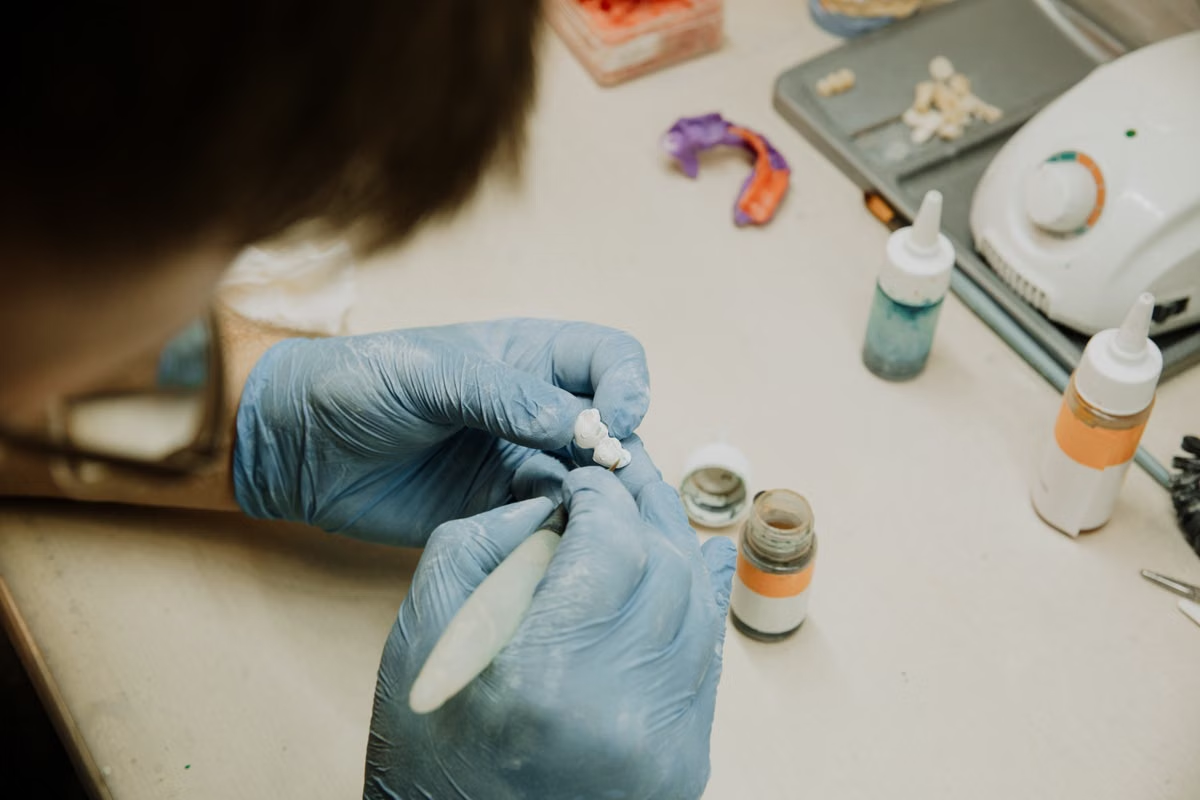
Many practices reach the same decision point: bring guide design and fabrication in-house, or send it to a specialist lab. Equipment, software licenses, training and staff time all add up, and plenty of clinicians conclude that outsourcing lets them focus on surgery and patient care. If you choose to outsource, the quality of that partnership shapes every guided case you place.
Start With Your Own Workflow
Before comparing labs, write down how you currently plan cases. Which implant systems do you use? Do you favor tooth-supported, mucosa-supported or bone-supported guides? How often do you place full-arch cases? These answers define what you need from a partner. A lab that is excellent for single-tooth work may not be the right fit for complex restorative-driven planning.
Evaluate Planning and Design Capability
The guide is only as good as the plan behind it. Ask who performs the planning, what software they use, and how the restorative outcome is considered during implant positioning. A strong provider treats the final prosthesis as the starting point, then works backward to implant position and guide design.
Also ask about communication. Will the lab send a planning report for your approval? Can you request changes before printing? Practices that want custom surgical guides for dentists should expect a review step where the clinician confirms position, depth and angulation before anything is fabricated.
Understand How Guides Are Manufactured
Fabrication method affects accuracy and consistency. Industrial-grade printing, validated materials and proper post-processing all matter. Ask whether the lab inspects each guide before shipping and how it verifies sleeve placement. Clinicians evaluating 3D printed surgical guides should look for a lab that can explain its printing, washing, curing and quality-check steps in plain language.
Check Compatibility With Your Systems
A guide must match the drill protocol and surgical kit you actually use. Confirm that the lab supports your implant brand, sleeve sizes and any guided surgery system you rely on. Mismatches here lead to avoidable delays at the chair, so request compatibility confirmation in writing for each system.
Ask About Turnaround and Communication
Predictable timelines are as valuable as speed. Ask for standard turnaround from complete files to delivery, what happens when files are incomplete, and how rush requests are handled. Equally important is responsiveness. When a question comes up on a scheduled surgery week, you want a team that answers promptly.
Review Support After Delivery
Even well-made guides occasionally need attention. Find out what the lab does if a guide does not seat as expected, whether remakes are covered, and how feedback from surgery is used to improve future cases. A partner that wants to hear about outcomes is more likely to refine its process over time.
A Short Checklist for Your Next Lab Conversation
- Who plans the case, and how is the restorative goal built into the plan?
- Do I review and approve the design before fabrication?
- Which materials, printers and sleeve systems are used?
- How is each guide inspected before it ships?
- What is the standard turnaround, and what delays it?
- What is the remake policy if a guide does not fit?
Pricing in Context
Compare quotes on what is included, not just the headline fee. A lower price that excludes revisions or sleeves can end up costing more. Ask for an itemized breakdown so you can judge each offer on equal terms, and weigh the cost against the value of fewer surprises on surgery day.
Start Small and Build the Relationship
If you are unsure, begin with a straightforward case. Use it to evaluate communication, accuracy and delivery. Once you trust the workflow, you can extend it to more demanding cases with confidence. Over time, a lab that knows your preferences becomes an extension of your team.
Final Thoughts
Choosing a guide lab is a decision about reliability as much as technology. The right partner plans with the restoration in mind, manufactures with clear quality checks, supports your systems and communicates well. Take the time to ask detailed questions up front, and the payoff shows up in smoother surgeries and more predictable outcomes.